
Missing Maize Prices and Constant Increase of Beef Prices, 2026 Q1 Food Prices Analysis

Figure 1. Maize Price Data (January 2025 - March 2026)
(Guidance: Point out the cursor and click on the graph to see price details)
Commodity Highlight 1: Maize Prices and Data Availability
In the third quarter of 2025, the Indonesian government raised the Government Purchase Price (HPP) for maize to IDR 5,500/kg from IDR 4,500/kg. The increase in the HPP is reflected in the upward price trend at the producer level (Figure 1). On a year-on-year basis, maize prices have consistently risen, as evidenced by the Wholesale Price Index (IHPB) data and the highest spike in feed prices at the farmer level, reaching IDR 7,049/kg in January 2026. This, in turn, has contributed to rising chicken prices.
However, producer-level maize price data released by the National Food Agency (Bapanas) have been unavailable since the first quarter of 2026. Although the upward price trend can be assumed to continue, wholesale and consumer prices released by the Ministry of Trade and Bapanas have also been unavailable since the first quarter of 2025. This data unavailability makes it difficult for us, as independent analysts, to examine market dynamics and commodity prices and to provide necessary policy recommendations and market actions. Maintaining the transparency and accessibility of the food data system for observers, the private sector, and the public remains essential. Such openness serves as a cornerstone for good governance, fostering public trust and supporting active participation in a democratic society.
Figure 2. Beef Price Data (January 2025 - March 2026)
(Guidance: Point out the cursor and click on the graph to see price details)
Commodity Highlight 2: Beef Prices are Climbing Up
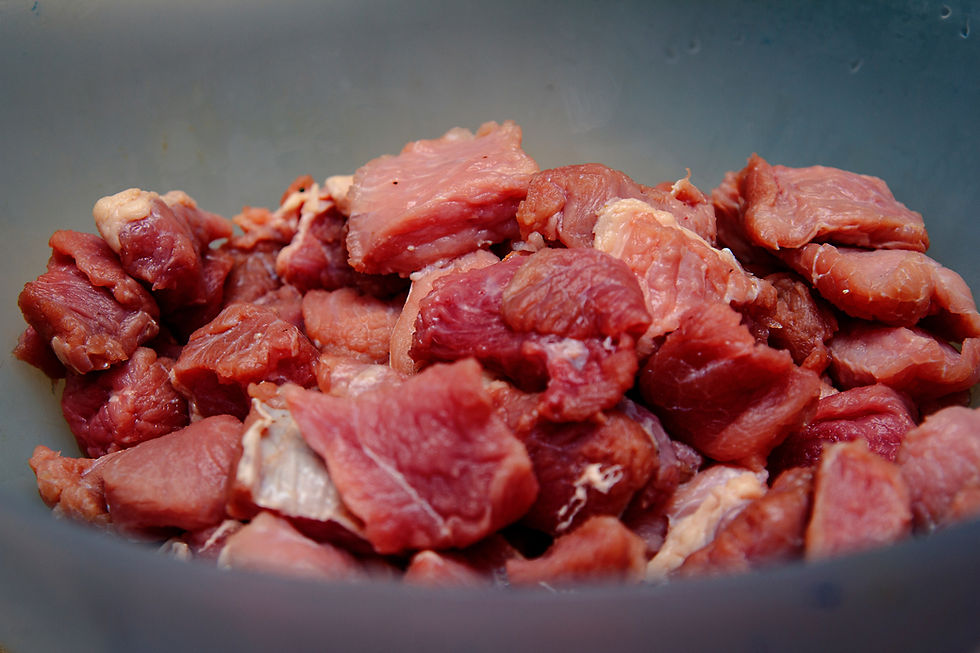
Beef prices continued to trend upward, reaching a record high in at least five years in the first quarter of 2026. As of March 2026, producer prices reached IDR 137,950/kg, an increase of 13.6% year-on-year (yoy) and 25.4% compared to March 2021. Meanwhile, consumer prices reached IDR 148,350/kg, up 8.2% year-on-year and 20.4% from March 2021. This price increase occurred despite the government having established Reference Purchase Prices (BPs) and Reference Sales Prices (BPs) under National Food Agency Regulation No. 12/2024. Prices at the producer level have nearly reached the upper limit of the HAP (around IDR 130,000/kg–IDR 140,000/kg), pushing consumer prices closer to IDR 150,000/kg. This policy ultimately indicates that price-intervention regulations are ineffective.
The rise in beef prices is driven by several key factors, including ineffective price interventions. Limited domestic supply amidst high demand is the primary driver. Efforts to meet the high demand for beef by increasing supply are hampered by the Commodity Balance, which limits private players' import quotas to 30,000 tons in 2026, an 83% decrease from the 2025 quota. The weakening rupiah, high feed logistics costs in several major global producing countries, and surges in holiday demand are also contributing factors to the rise in beef prices in Indonesia. This price trend demonstrates the need for long-term policies in the beef industry, including improvements in infrastructure and logistics to reduce costs, as well as fundamental changes to the approach to price intervention and quota constraints that have failed to maintain producer competitiveness and consumer purchasing power.
Are you interested in price trends for rice, sugar, soybeans, corn, garlic, and wheat? If so, subscribe to the CIPS Food Monitor now for FREE!
Benefits of Subscribing to CIPS Food Monitor:
A quarterly updated food database that you can easily access
Access to comprehensive food production, consumption, import-export, prices, and regulation data
Reliable source of data on seven essential commodities
Quarterly newsletter with analysis of one primary commodity
Download and read CIPS' publications related to rice policies below:


Comments